Leírás
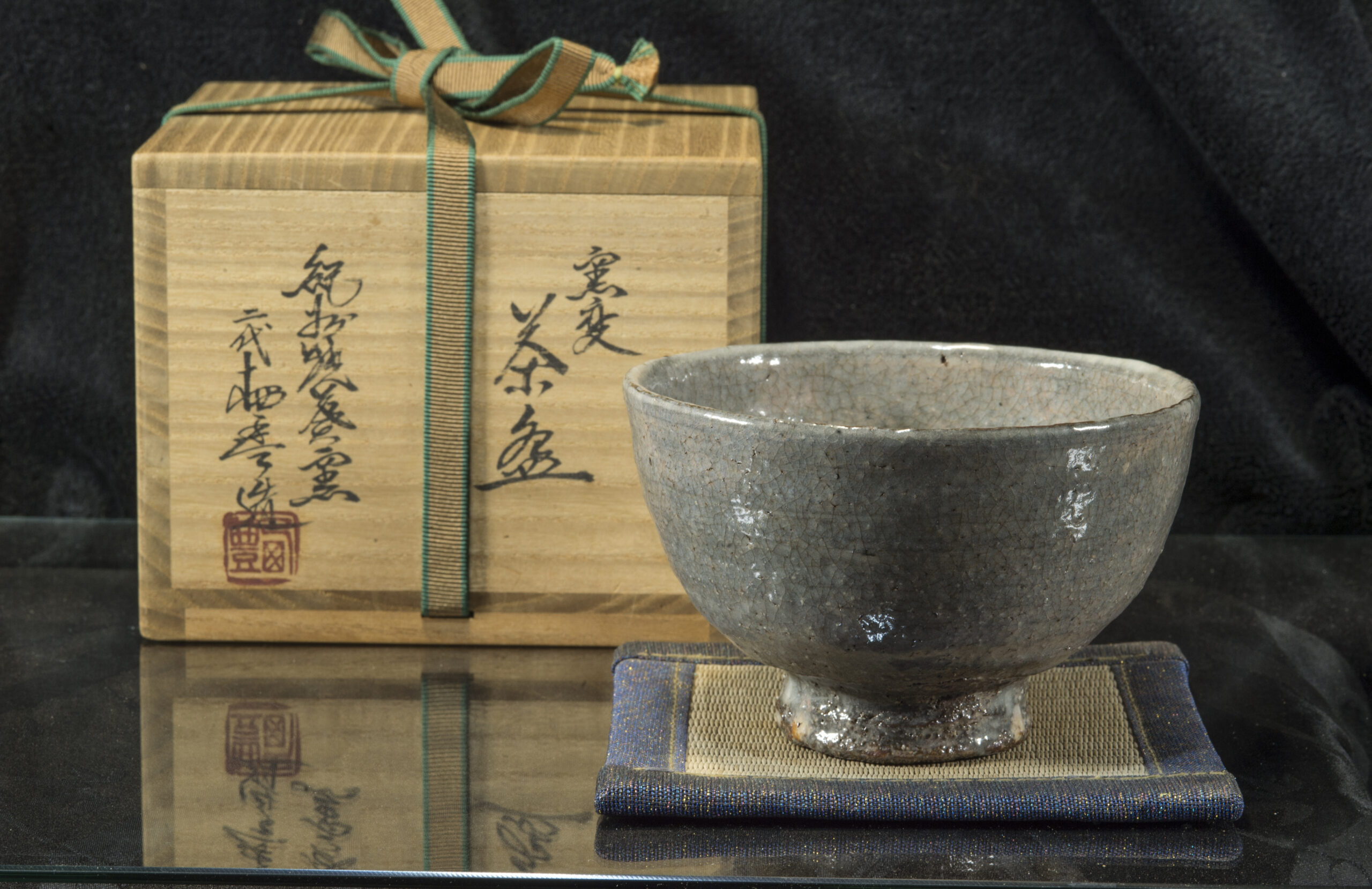
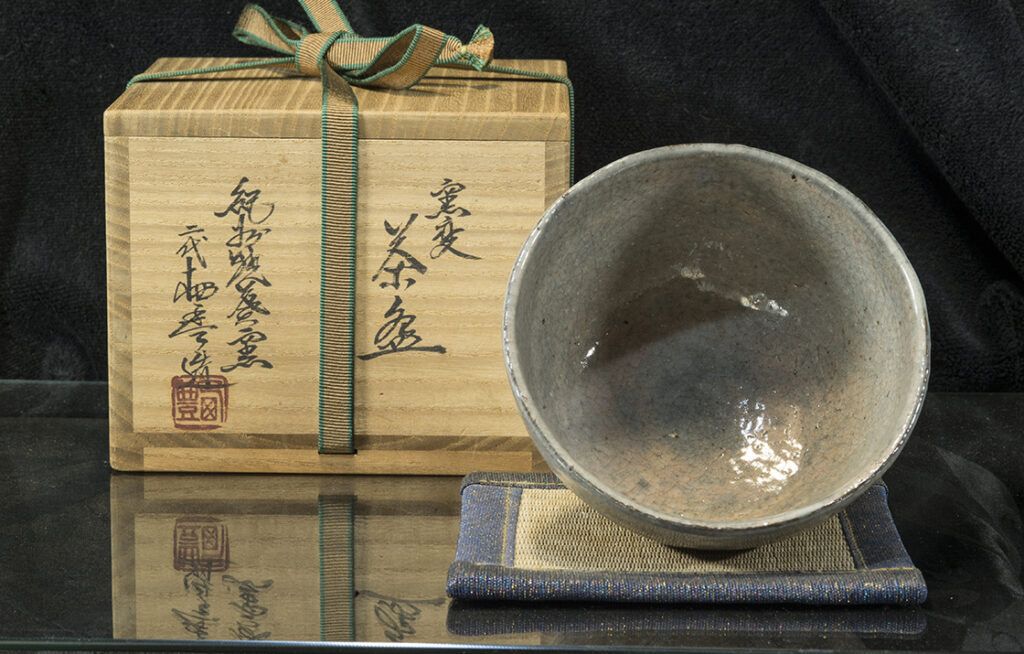
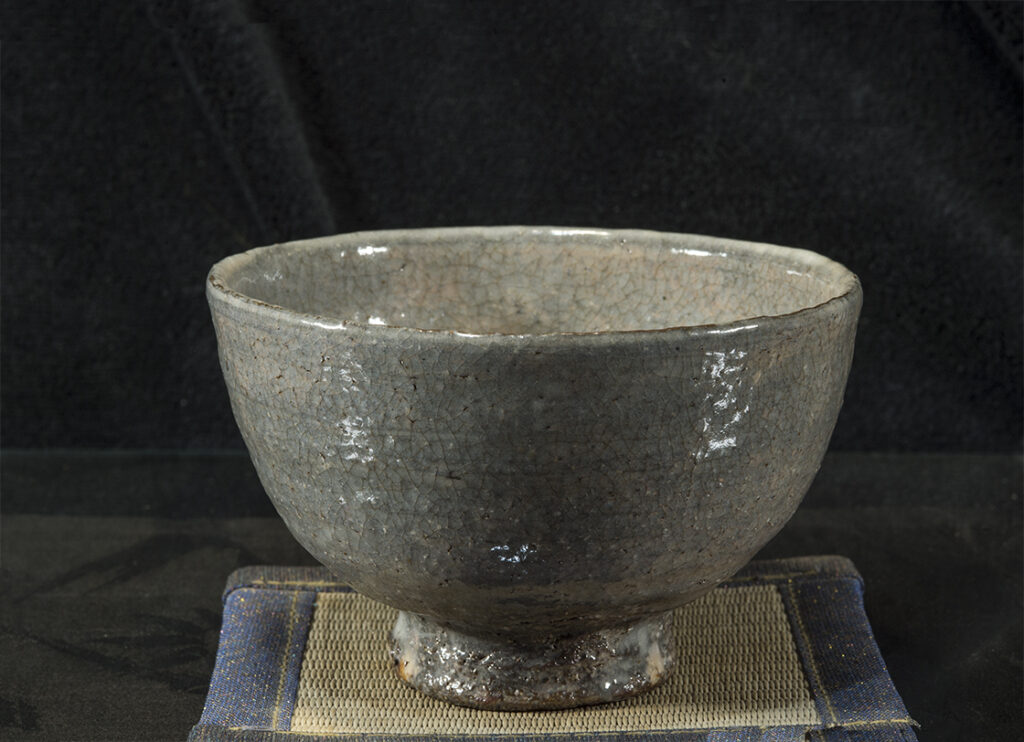
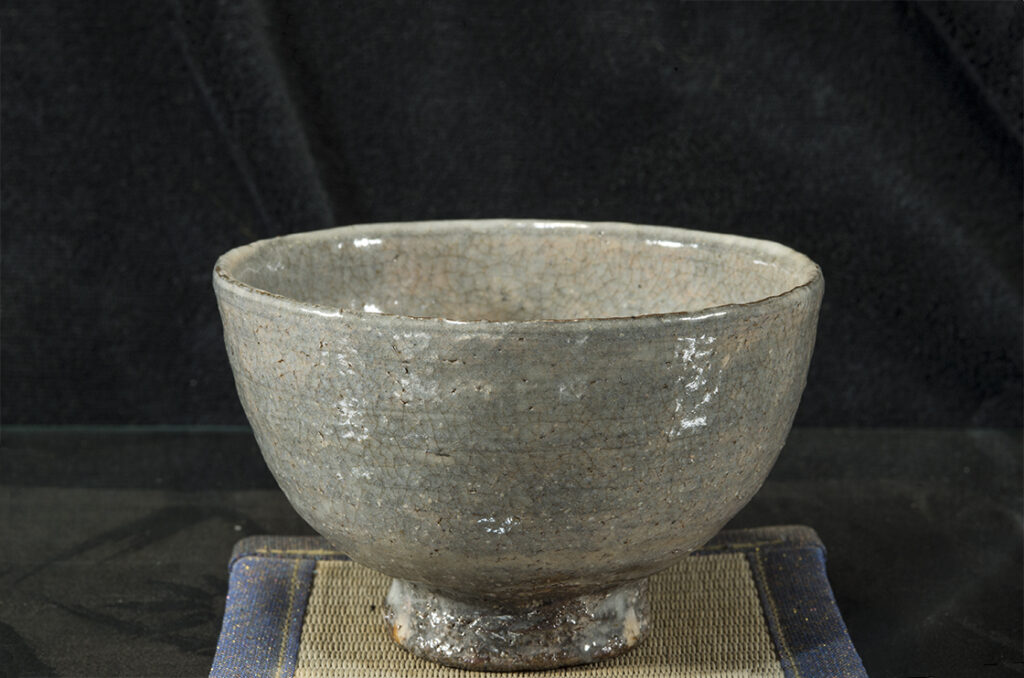
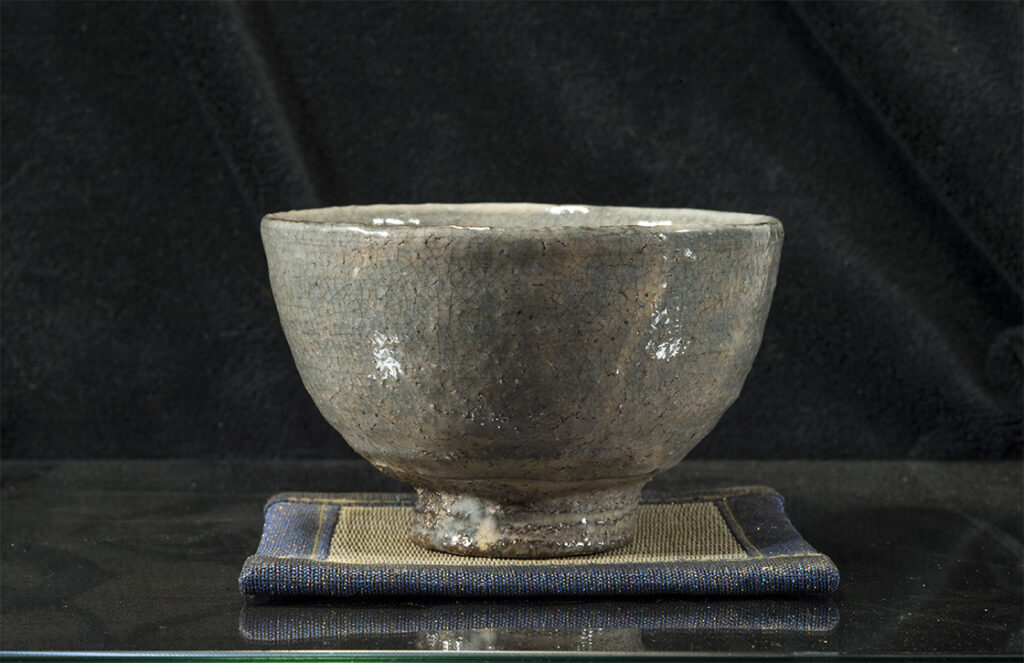
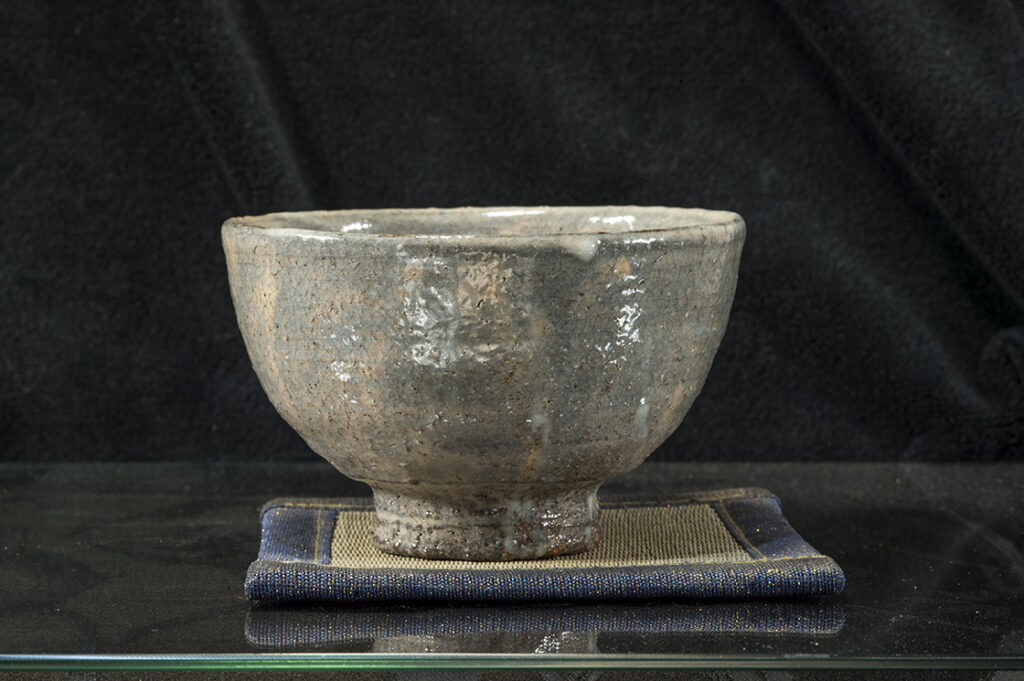
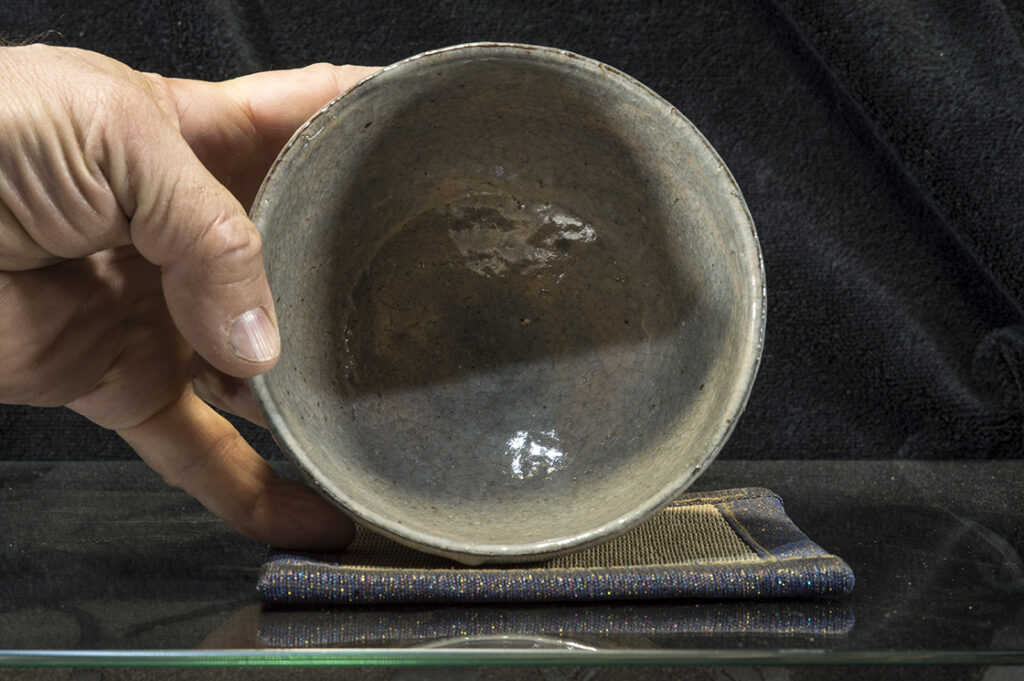
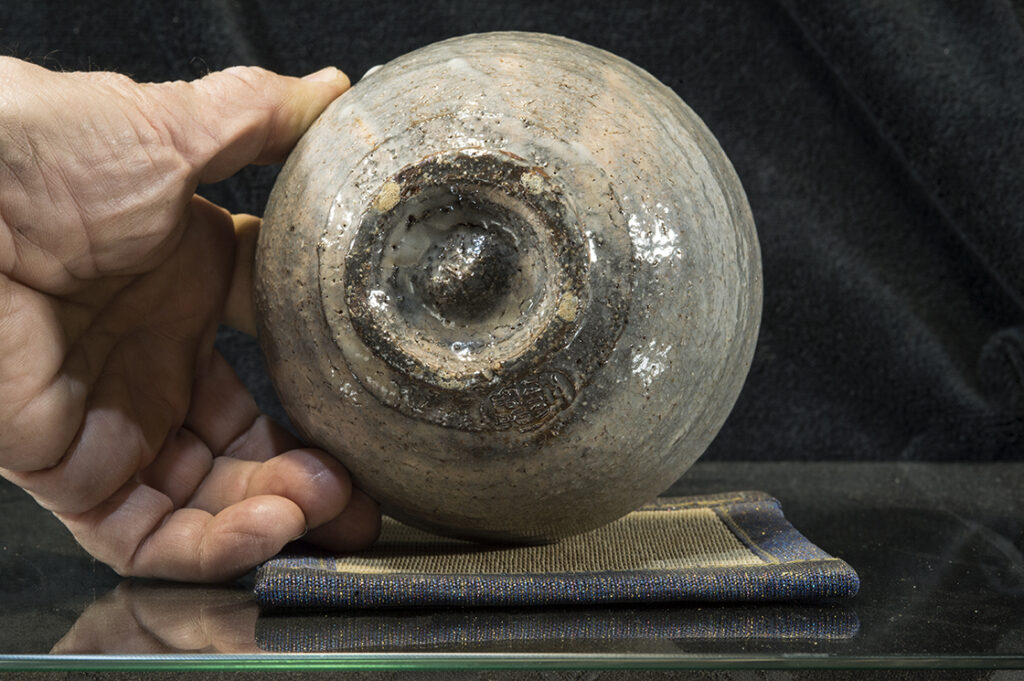
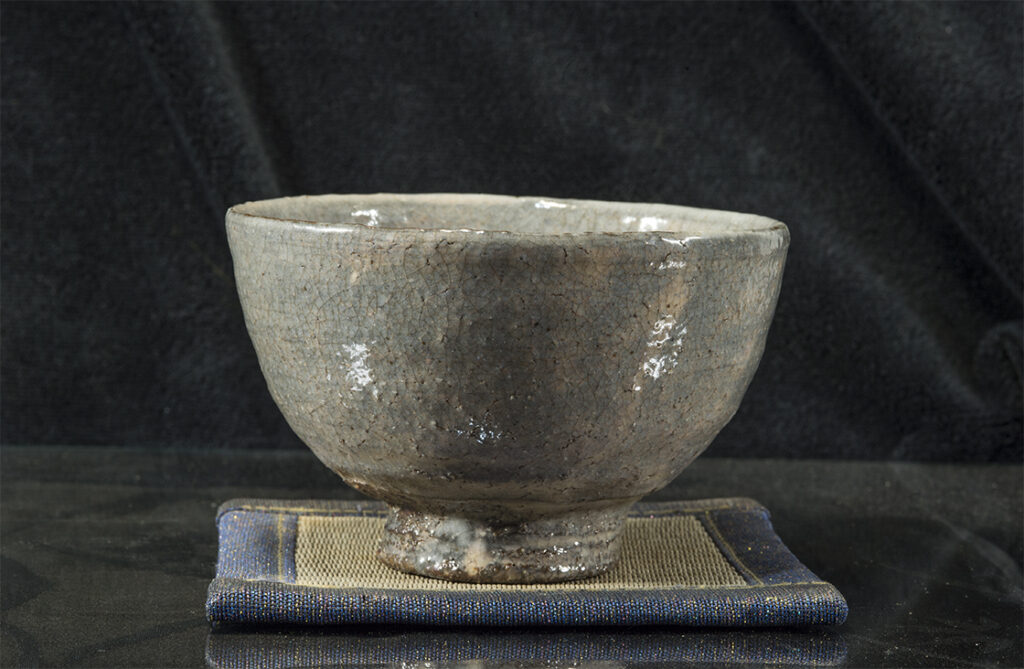
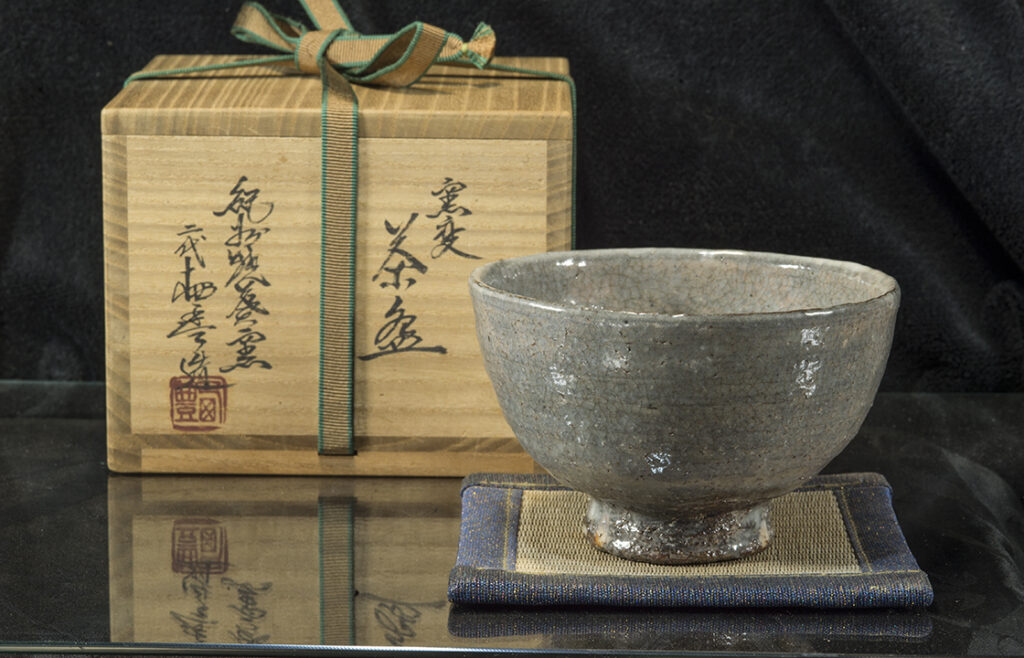
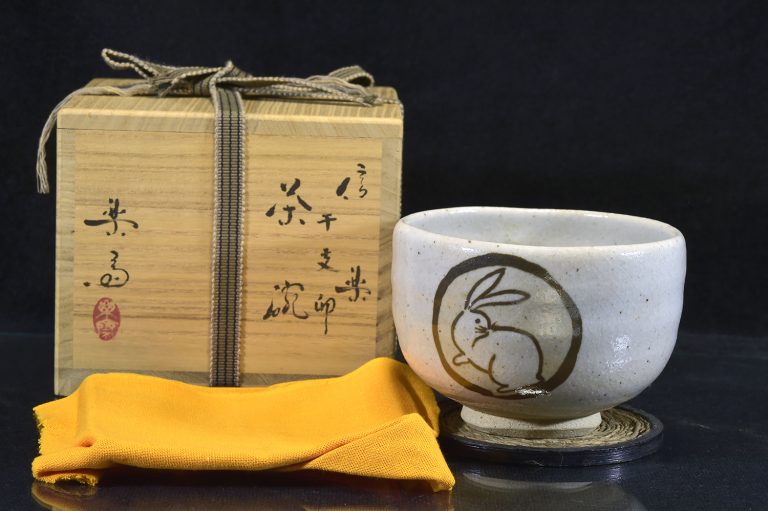
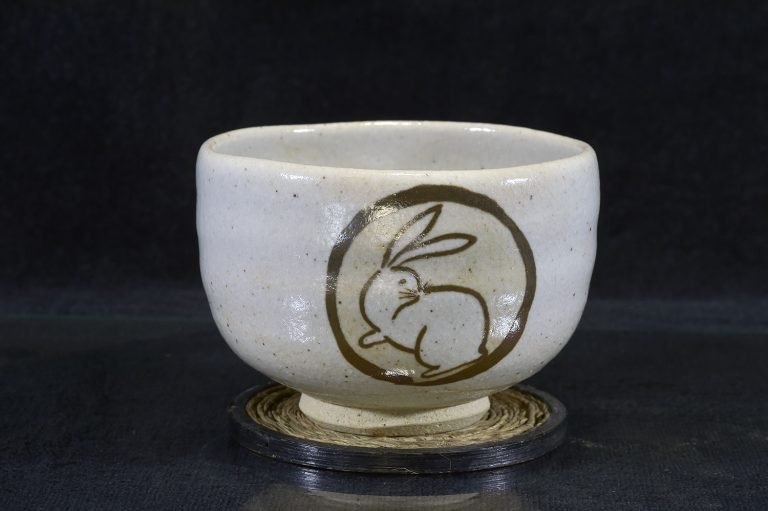
A szürke rózsaszín árnyalata Kishu chawan
A szürke rózsaszín árnyalata Kishu chawan
紀州焼 Kishūyaki
Ismertető :
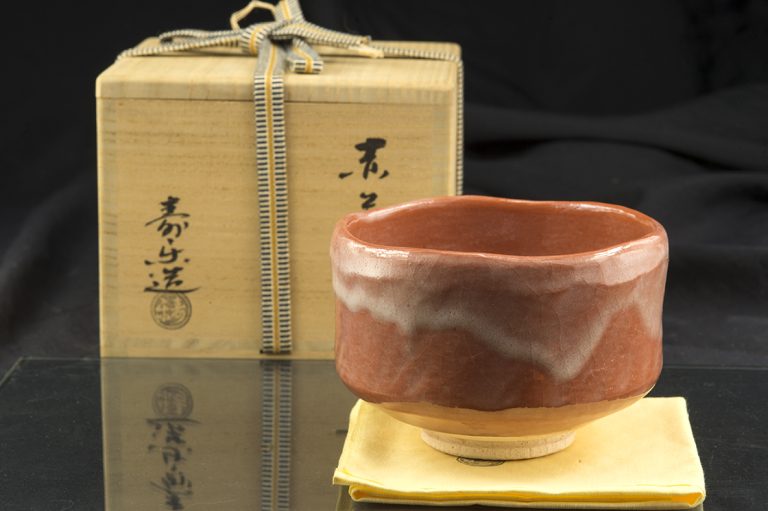
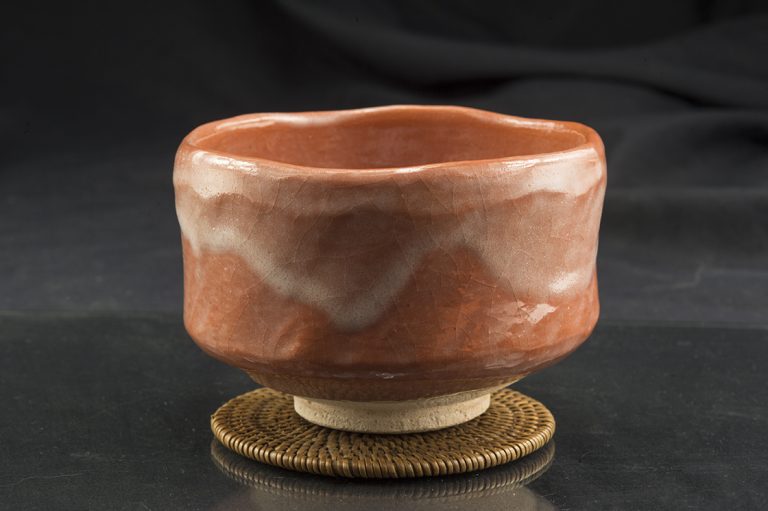
Ez a szürke, de nem eminenciás chawan egy csak látszólag szürke Kishu kerámia Samukawa Seiho (1917-) műhelyéből eredeti dobozával pecséttel miegymással..
A Kishu (紀州焼 Kishūyaki ) Wakayama prefektúra kerámiája.Az első generáció Seiho Samukawa 1967-ben költöztette a családot az “Aoi-gama” műhely közelébe Nanki Shirahamában, Wakayama Prefektúrában. Az ő találmánya volt a “Nachiguro-Yu” máz technika
History
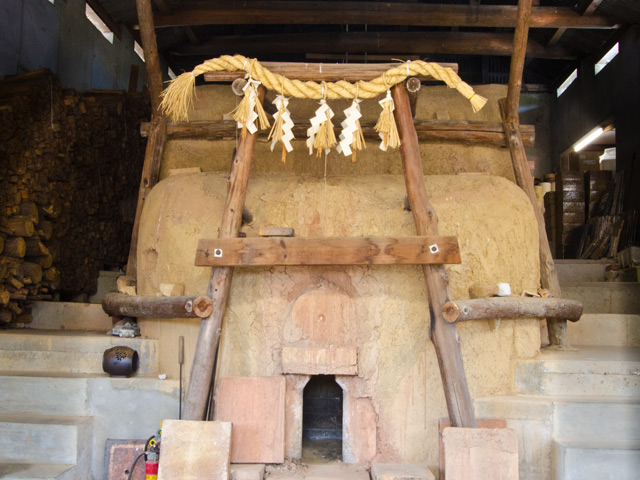 After the abolition of feudal system of domains and the revision of the country into prefectures in 1871, a number of pottery ateliers making Kishu ware were forced to close after losing financial support from the Kishu Domain. In 1937 Mr. Yorisada Tokugawa (the former lord of the Kishu Domain), who was deeply concerned about this situation, entrusted Seiho with the task of reviving Kishu ware. From that time Seiho determined to dedicate his life to this task and was given the name of ”Aoi-Gama” for his atelier by Mr. Tokugawa.
Kishu ware 紀州焼
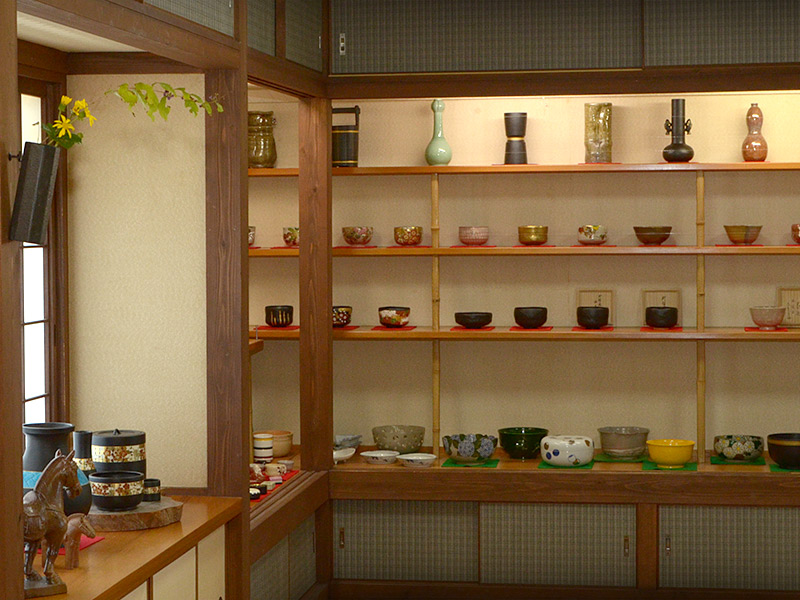 Kishu ware is a general term for Japanese traditional pottery manufactured in the Kishu Domain during the Edo period. Since the early Edo period, Kishu ware had been produced by a number of pottery ateliers. However, after the abolition of the Kishu Domain, all the pottery ateliers of Kishu ware were closed. In 1878 the last pottery atelier Nanki Otokoyama-yaki was closed down and Kishu ware became extinct until it was revived again by Seiho.
Nachiguro-Yu, the black glaze
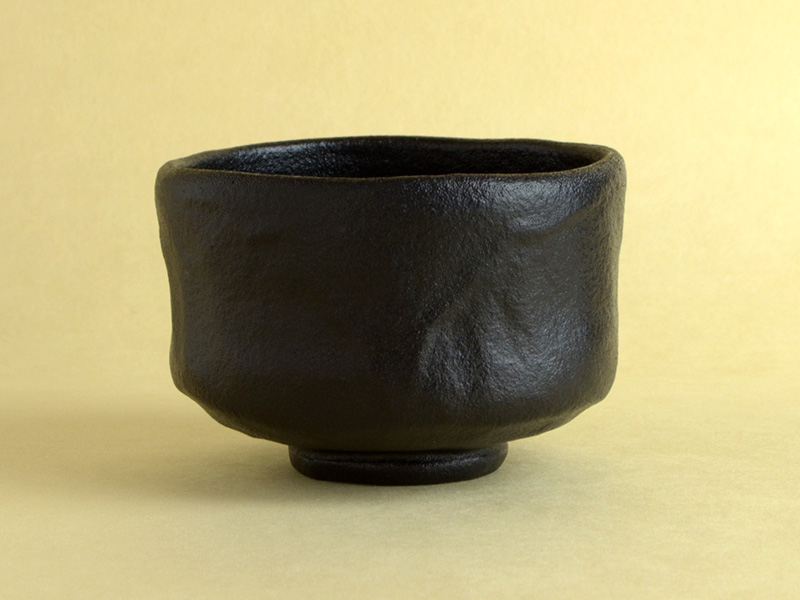 Nachiguro-Yu is a black-colored glaze made from natural black stones named “Nachiguro”. Its light mat black color is one of its special features, and its rough surface is easy to hole in the hand. The longer it is used, the more elegant it looks. Nachiguro-Yu has been highly esteemed by many heads of tea ceremony school (“iemoto”) and is widely popular.
The name “Nachiguro” relates to the black (kuro / guro) stones of the Nachi area. According to the old literatures, the black stones used to be mined at the Nachi area in Wakayama prefecture, although the stones are currently mined at Kumano city in Mie prefecture.
Seiho Samukawa
Introduction of the second generation Seiho


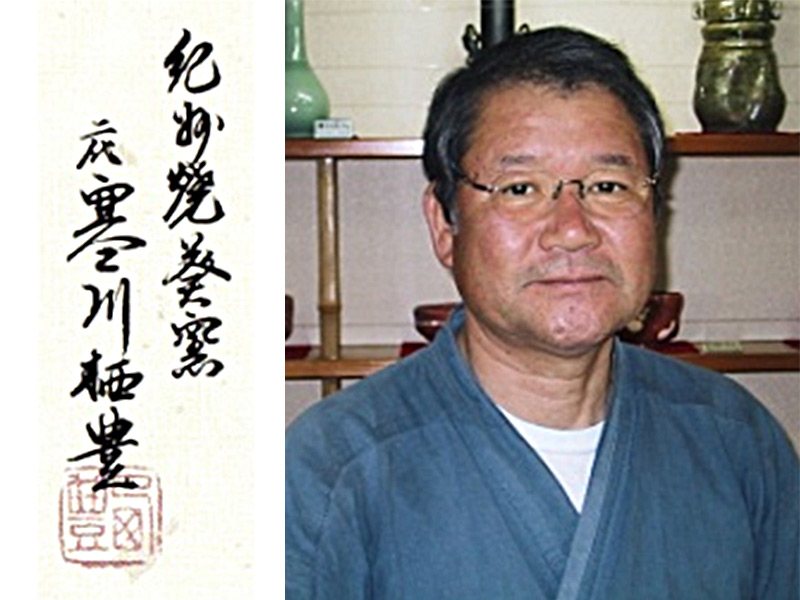
Seiho’s son, also called Seiho, has dedicated his life to pottery art since he was 19 years old. He has sought to continue the work of developing and perfecting Kishu ware and Nachiguro-Yu which his father had revived a generation earlier. He has been seeking to create unique works of art whilst keeping true to Japanese tradition.
(Life of the second Seiho)
- 1946
- Born in Wakayama prefecture
- 1965
- Started his career working under his father
- 1976
- Adopted his father’s name, Seiho
- 1995
- Moved his pottery atelier to the current location
- 2011
- Was commended for the advancement of culture by the Governor of Wakayama Prefecture
- 2012
- Was commended for the advancement of culture by the mayor of Shirahama Town
- (Current assignment)
- Judge of Wakayama Prefectural Art Exhibition
Judge of Wakayama City Art Exhibition
Judge of Tanabe City Art Exhibition
Introduction of the first Seiho
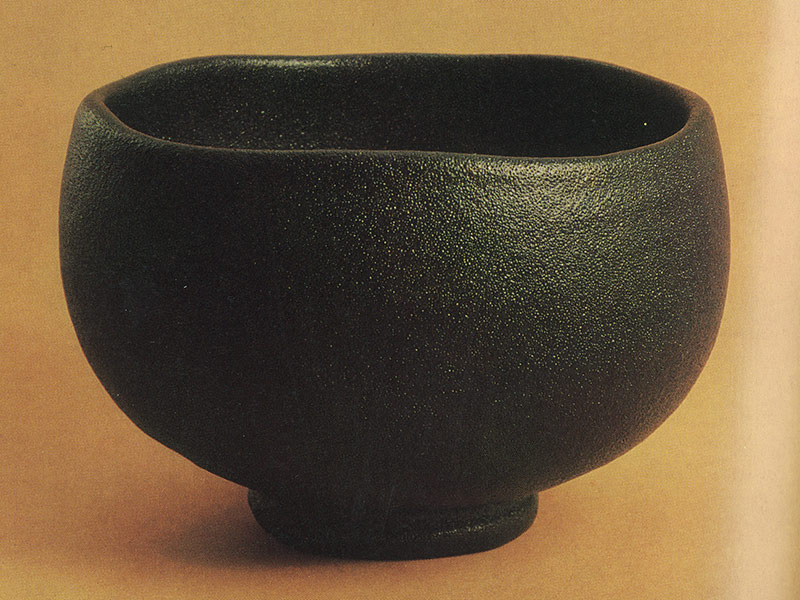
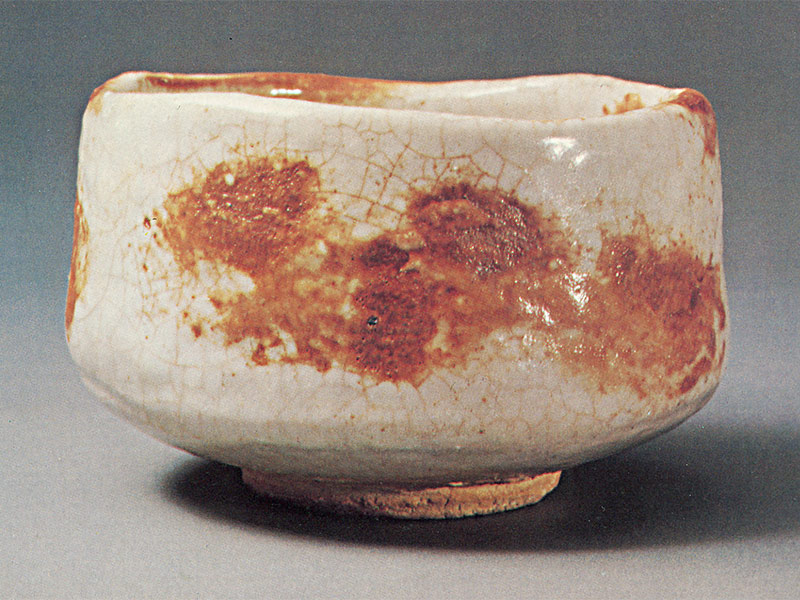
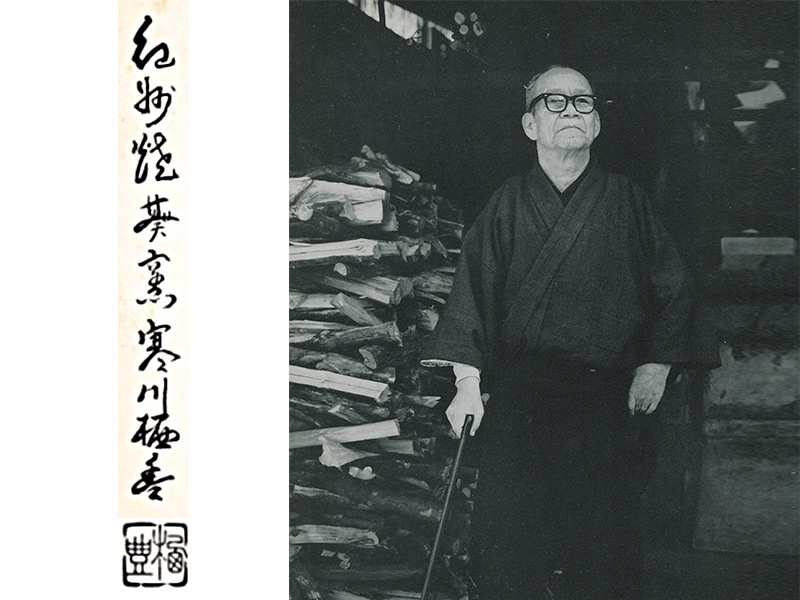
Seiho studied pottery techniques under Mr. Sozan Sawada, a well-known potter. In 1932, he opened his first pottery atelier at Koyaguchi-Odawara in Wakayama Prefecture after working for 5 years as a chief manager at Aichi Prefectural Institute of Ceramic Industry.
Mr. Yorisada Tokugawa, the former lord of the Kishu Domain, was very concerned about the demise of Kishu pottery following the end of the Domain System and was looking for a person who would be able to revive it. Mr. Tokugawa met Seiho, found his works outstanding and asked him to revive the Kishu pottery tradition. Seiho was deeply touched by Mr. Tokugawa’s enthusiasm and determined to dedicate his life to this project. He was given the name for his pottery atelier, Aoi-Gama, by Mr. Tokugawa. (Aoi, a hollyhock, is the family crest of the Tokugawas.)
While struggling in the chaos and poverty after World War II, Seiho strove to research different types of glaze and finally succeeded in producing the new glaze, Nachiguro-Yu, in 1956. In 1962 he presented a tea bowl for serving powdered green tea to Their Majesties the Emperor and Empress Showa when they made a visit to Nanki Shirahama. In 1970, he was accredited as a Person of Cultural Merit by the Japanese Agency for Cultural Affairs. In 1975, in the year he died, he received the Order of the Sacred Treasure, Gold and Silver Rays.
(Life of the first Seiho)
- 1899
- Born in Osaka, moved to Kyoto
- 1919
- Became Mr. Sozan Sawada‘s pupil and started his career
- 1927
- Became a chief manager at Aichi Prefectural Institute of Ceramic Industry on Mr. Sawada’s recommendation
- 1932
- Opened his first pottery atelier at Koyaguchi-Odawara in Wakayama Prefecture
- 1937
- Given the name for his pottery atelier, Aoi-Gama, by Mr. Yorisada Tokugawa
- 1956
- First produce a new glaze, Nachiguro-Yu
- 1962
- Presented a bowl to Their Majesties the Emperor and Empress Showa
- 1967
- Moved his pottery atelier to Katada, Shirahama Town
- 1970
- Was Accredited as a Person of Cultural Merit by the Japanese Agency for Cultural Affairs
- 1972
- Held his sole-exhibition at Nihonbashi Mitsukoshi
Was commended for the advancement of culture by Wakayama Prefecture
Was accredited as the first Intangible cultural property by Shirahama Town - 1973
- Held his sole-exhibition at Mitsukoshi in Tokyo, Matsuyama and Osaka
- 1975
- Received the Order of the Sacred Treasure, Gold and Silver Rays, passed away




Értékelések
Még nincsenek értékelések.