Az alábbiakban néhány könyv, azoknak akik szeretnek teával foglalkozni. Bár született már néhány magyar nyelvű teás könyv is, a teás irodalom értelemszerűen a nagy teakultúrák és az angol nyelv kizárólagos területén terem és korántsem korlátozódik a teára, de magába foglalja a történelmet, közgazdaságtant, a mezőgazdaságot, biokémiát, a kapcsolódó kézműves kultúrákat, mesterségeket, és végeredményben az egész világot.

Lu Yu – Teáskönyv Terebess Kiadó
Budapest, 2005

Illustrated Modern Reader of ‘The Classic of Tea
by Juenong Wu 2017

A Thirst for Empire: How Tea Shaped the Modern World
Erika Rappaport 2019 Princeton Univ. Press
549 oldal
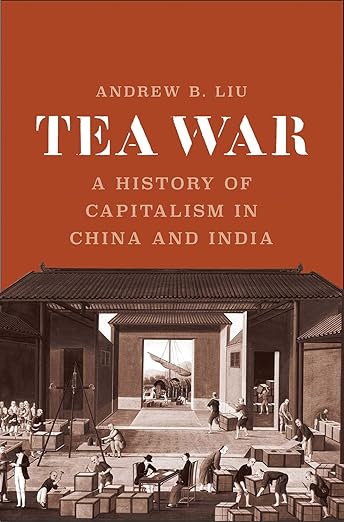
Tea War: A History of Capitalism in China and India
Andrew B. Liu
Yale Univ. Pr 2020
344 oldal
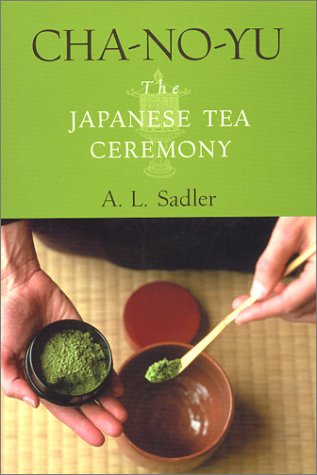
Cha-No-Yu: Japanese Tea Ceremony
A. L. Sadler
Tuttle 2002
296 oldal
Minden, amit tudni akartál a chanoyuról.
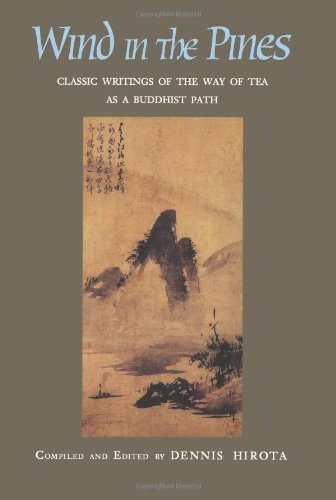
Wind in the Pines: Classic Writings of the Way of Tea as a Buddhist Path
by Dennis Hirota (Author) 1988.
Költészet és tea, avagy a tea, mint költészet. Chanoyu, widely known as the tea ceremony, developed in Japan in the fifteenth and sixteenth centuries. In it, such ordinary acts of daily life as serving a meal and tea to guests have been raised to the status of religious discipline.
Wind in the Pines is a collection of writings that seek to illuminate the nature and aesthetics of chanoyu as a Buddhist path. Beginning with works on the art of linked verse (renga) that directly influenced the development of the way of tea, this book includes documents that are associated with the central figures in the formation of chanoyu in the spirit of wabi–the unsullied poverty of the hermit’s thatched hut–and that have been treasured by practitioners down to the present.
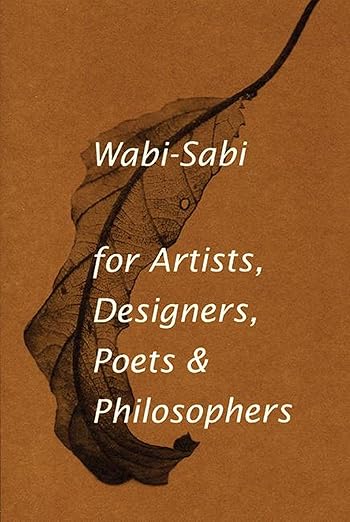
Wabi-Sabi for Artists, Designers, Poets & Philosophers
by Leonard Koren (Author) 1994.
Nyúlfarknyi (azóta némileg kibővített) mégis fontos esszé nem csak esztétikáról.
The Unknown Craftsman: A Japanese Insight into Beauty
by Bernard Leach (Adapter), Soetsu Yanagi (Author)
Nagyon fontos alapmű

The Old Tea Seller: Life and Zen Poetry in 18th Century Kyoto 2010
Baisao was an influential and unconventional figure in a culturally rich time period in Kyoto. A poet and Buddhist priest, he left the constrictions of temple life behind and at the age of 49 traveled to Kyoto, where he began to make his living by selling tea on the streets and at scenic places around the city. Yet Baisao dispensed much more than tea: though he would never purport to be a Zen master, his clientele, which consisted of influential artists, poets, and thinkers, considered a trip to his shop as having religious importance. His large bamboo wicker baskets provided Baisao and his customers with an occasion for conversation and poetry, as well as exceptional tea.
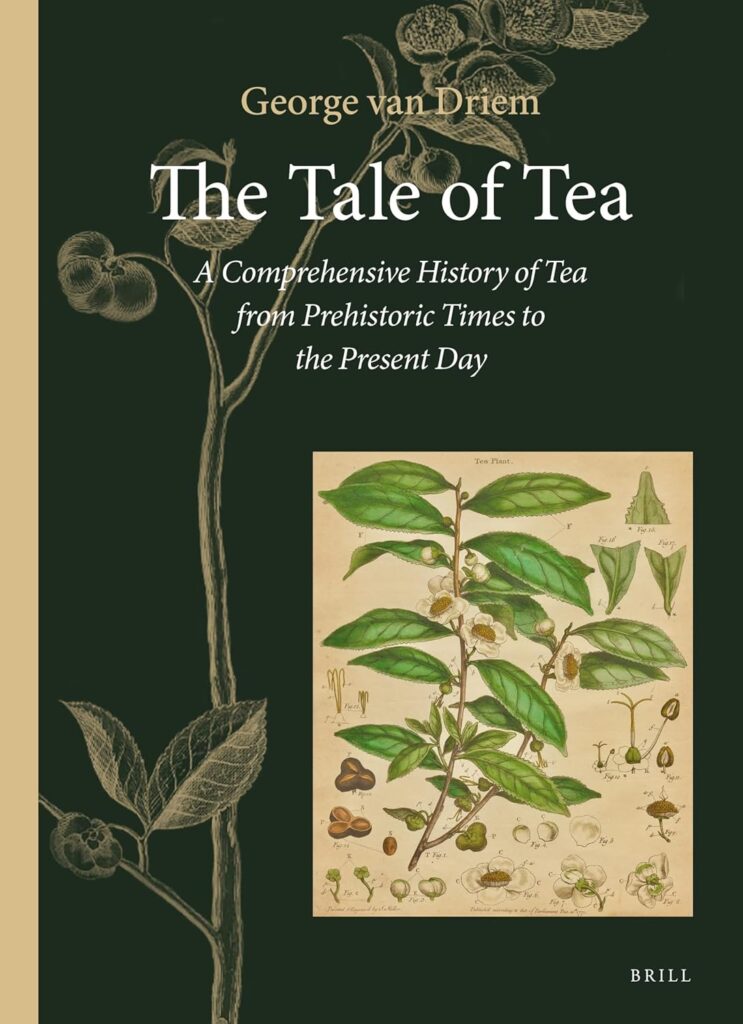
The Tale of Tea: A Comprehensive History of Tea from Prehistoric Times to the Present Day
by George L. van Driem
Egy ellentmondásos megítélésű, drága könyv egy nyelvésztől. Nem kell mindent elhinni. The Tale of Tea is the saga of globalisation. Tea gave birth to paper money, the Opium Wars and Hong Kong, triggered the Anglo-Dutch wars and the American war of independence, shaped the economies and military history of Táng and Sòng China and moulded Chinese art and culture. Whilst black tea dominates the global market today, such tea is a recent invention. No tea plantations existed in the world’s largest black tea producing countries, India, Kenya and Sri Lanka, when the Dutch and the English went to war about tea in the 17th century. This book replaces popular myths about tea with recondite knowledge on the hidden origins and detailed history of today’s globalised beverage in its many modern guises.
For All the Tea in China: How England Stole the World’s Favorite Drink and Changed History
by Sarah Rose 2011.
A teakém Fortune története újra elmesélve és megírva; lényegében Fortune naplóit adta ki egyes szám harmadik személyben.
Tea in China: A Religious and Cultural History
by James A. Benn 2015.
Lebilincselő történeti munka a kínai teáról.
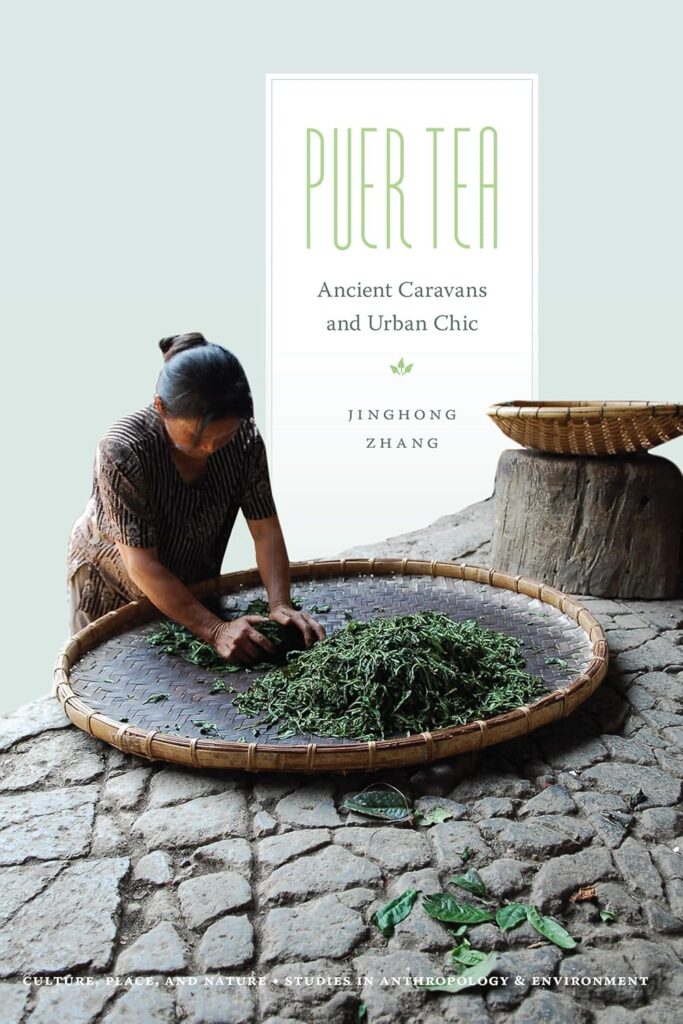
Puer Tea: Ancient Caravans and Urban Chic (Culture, Place, and Nature)
by Jinghong Zhang (Author), K. Sivaramakrishnan 2013.
Olvasmányos, érdekes könyv a puerh tea újra felfedezéséről. A többit már Önök is a bőrükün érezhetik. Puer tea has been grown for centuries in the “Six Great Tea Mountains” of Yunnan Province, and in imperial China it was a prized commodity, traded to Tibet by horse or mule caravan via the so-called Tea Horse Road and presented as tribute to the emperor in Beijing. In the 1990s, as the tea’s noble lineage and unique process of aging and fermentation were rediscovered, it achieved cult status both in China and internationally. The tea became a favorite among urban connoisseurs who analyzed it in language comparable to that used in wine appreciation and paid skyrocketing prices.
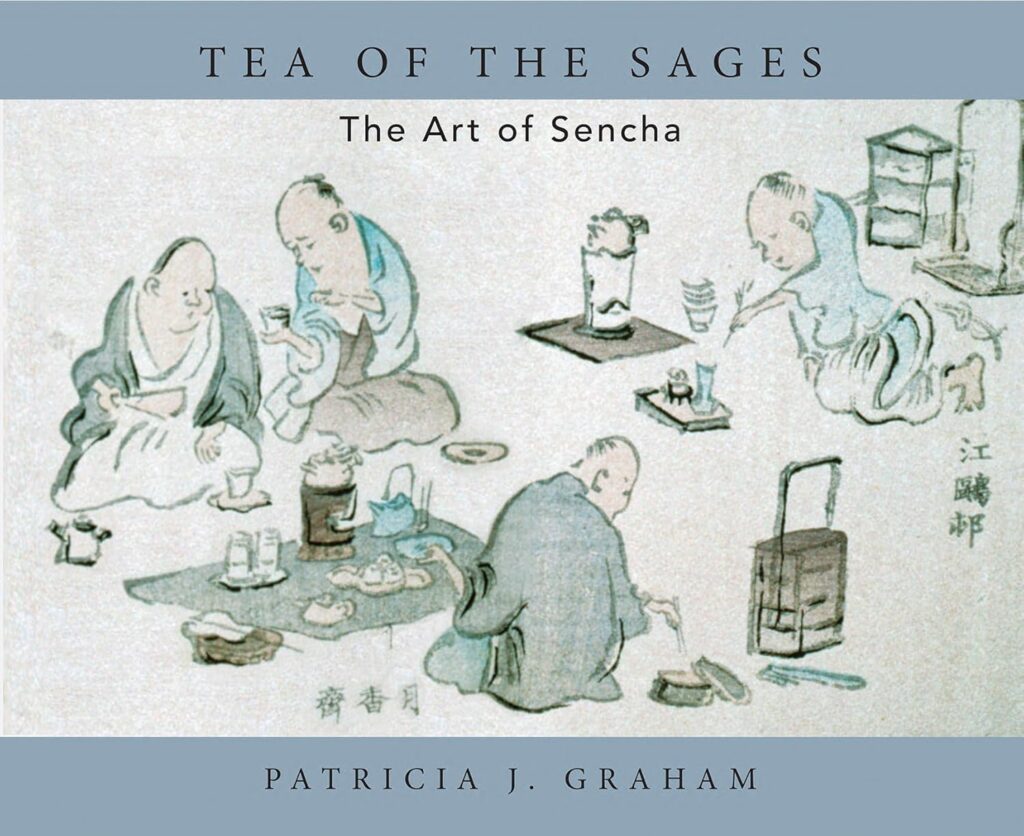
Tea of the Sages: The Art of Sencha
Patricia J. Graham 1998. legutóbbi kiadás 2024
Tényleg az egyetlen könyv az irodalmárok, polgárok sikkes új teájáról a sencháról. The only comprehensive English-language book on the history of steeped green-leaf tea called sencha, its origins in China, its significant influence on Japanese culture, and its enduring popularity worldwide.
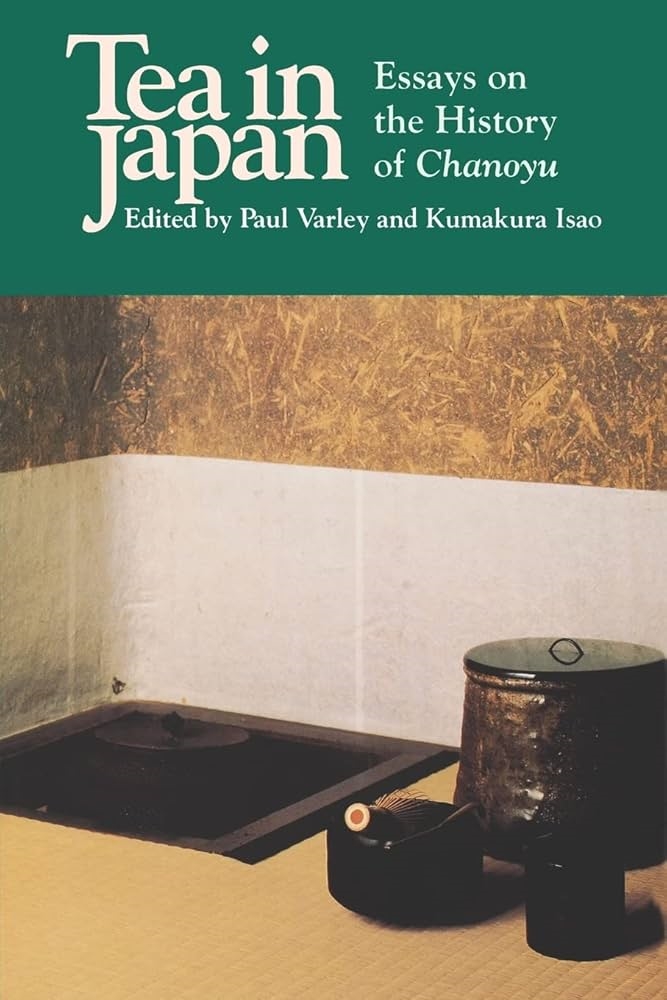
Tea in Japan: Essays on the History of Chanoyu
Edited by Paul Varley and Kumakura Isao
Tea in Japan is the first major history of chanoyu written in English. It traces that history from the introduction of tea to Japan from China in the early ninth century to Japan’s entry into the modern age in the late nineteenth century. Among the essays by leading Japanese, American, and British scholars are two devoted to the career of Sen no Rikyū, the greatest of the tea masters who flourished in the late sixteenth century. Other essays discuss the way in which Rikyū and his formulation of chanoyu were reinterpreted by later generations and how the Rikyū legend has influenced the course of chanoyu to modern times. Also included in the collection is an essay on chanoyu as observed by European visitors to Japan in the late sixteenth and early seventeenth centuries.
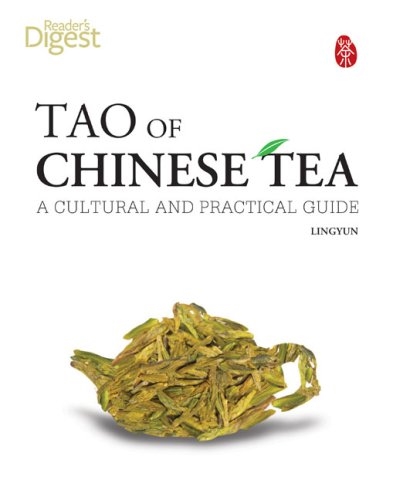
Tao of Chinese Tea: A Cultural and Practical Guide
Ling Yun
Learn about the history of Chinese tea, which dates back over 5,000 years and involves emperors, wars, and unsung heroes. Take a closer look at the philosophies and wisdom behind tea that have been passed down from one generation to another. Follow the delicately crafted art of the tea ceremony and the etiquette of drinking tea at a traditional tea house. Learn how to prepare Chinese tea by a top-rated Chinese tea master.
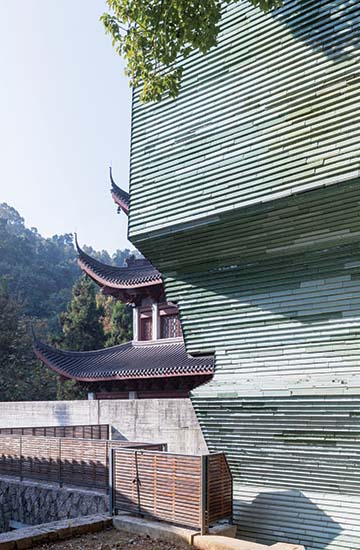
Temples and Teahouses: Buddhism and Secularity in Twenty-First-Century China 2025.
Gareth Fisher Temples and Teahouses delves into the daily lives of Buddhist monastics, lay practitioners, entrepreneurs, and government officials working to expand Buddhism in a highly secular country. Drawing on two decades of ethnographic research in cities throughout China, author Gareth Fisher explores how these determined visionaries collaborated to restore temples and open teahouses to meet growing demand for Buddhist practice spaces. Some sought to revive traditional practices such as devotion to Amitabha while others offered new programs that included charitable work and mindfulness meditation to address the changing needs of urban people.
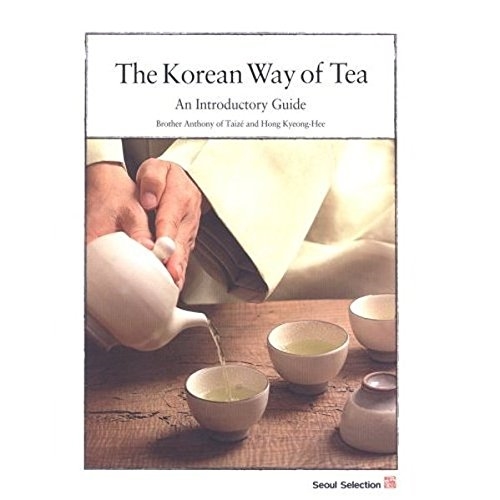
The Korean Way of Tea: An Introductory Guide
Hong Kyeong-hee 2011
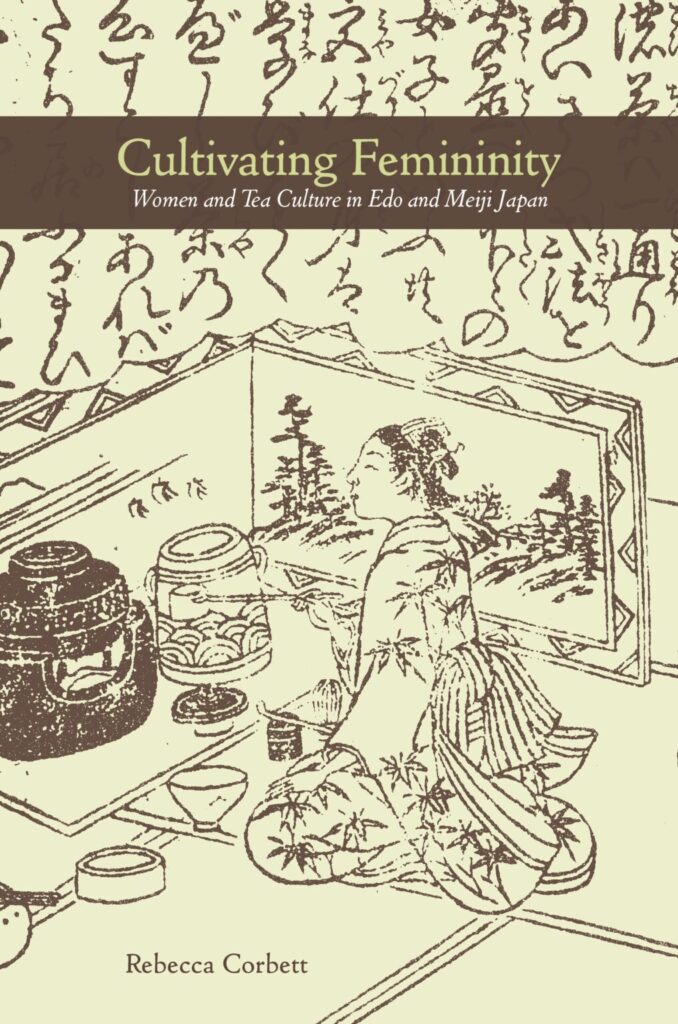
Cultivating Femininity: Women and Tea Culture in Edo and Meiji Japan
Rebecca Corbett 2019.
The overwhelming majority of tea practitioners in contemporary Japan are women, but there has been little discussion on their historical role in tea culture . In Cultivating Femininity, Rebecca Corbett writes women back into this history and shows how tea practice for women was understood, articulated, and promoted in the Edo (1603–1868) and Meiji (1868–1912) periods. Viewing chanoyu from the lens of feminist and gender theory, she sheds new light on tea’s undeniable influence on the formation of modern understandings of femininity in Japan.
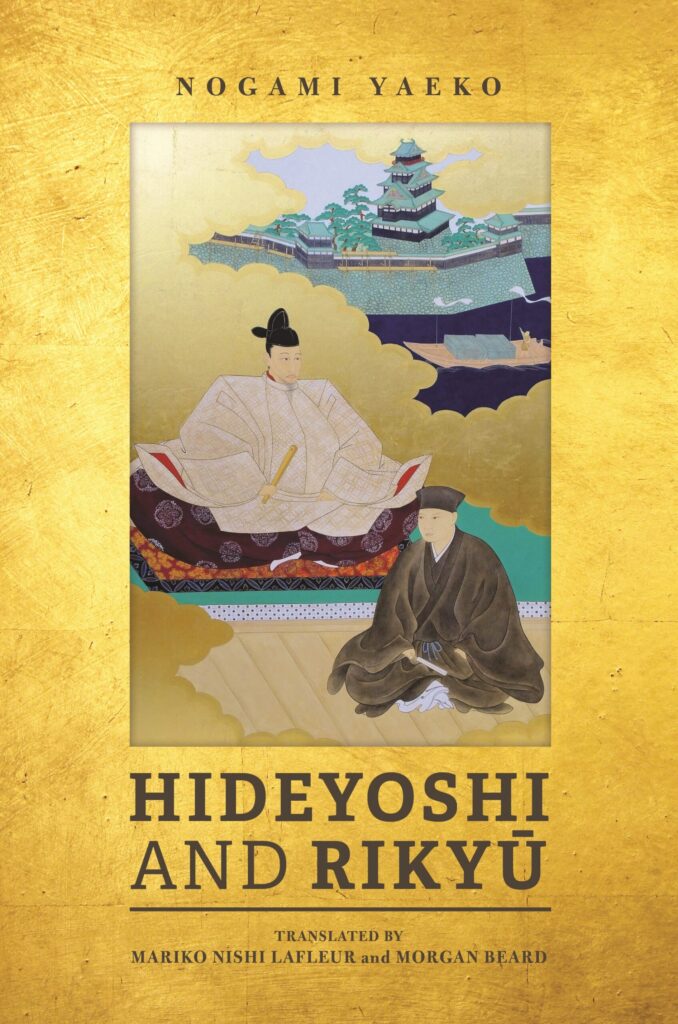
Hideyoshi and Rikyū
Nogami Yaeko, translated by Mariko Nishi LaFleur and Morgan Beard 2018
Nogami Yaeko’s compelling novel of political intrigue in sixteenth-century Japan depicts the intertwined lives of two iconic historical figures. Toyotomi Hideyoshi rose through the ranks from a common foot soldier to become the military ruler of Japan but struggled to win respect among the cultured nobility. He found both a friend and an invaluable political advisor in Sen no Rikyū, Japan’s most respected tea master. A wealthy merchant in his own right, Rikyū’s talent for tea ceremony propelled him into the ruler’s court. Deftly balancing Hideyoshi’s love of ostentatious display with the ideals of simplicity and rusticity embodied in the way of tea, Rikyū commands respect from loyal students and court nobles alike.

Contemporary Teahouse, The: Japan’s Top Architects Redefine a
Arata Isozaki 2007.
Now, this beautiful and fascinating volume takes the traditional tea house and turns it on its head. An informative introduction explains the history of the tea ceremony and the tea house. Then, in chapters written by three of the worlds most renowned architects — Arata Isozaki, Tadao Ando, Terunobu Fujimori as well as a fourth with text by Hiroshi Hara and Kengo Kuma, the book looks at twenty modern tea houses in Japan. Here are five men who share a fascination with exploring architectural space limited to the smallest possible spatial unit — and the tea house is the perfect medium for satisfying this passion and curiosity.
Tea and the Chinese Society in the Song Dynasty
2025
by Dongmei Shen (Author), Yu Guan (Translator)
This book, for the first time, comprehensively examines the relationship between tea and various aspects of social life in the Song Dynasty, pioneering a new field in the study of Song history. In the field of tea culture research, it is the first to clearly point out that the method of tea whisking was the dominant tea art form in Song society, elucidating the unique position of Song Dynasty tea culture in the history of Chinese culture.

Tea and Tea Products (Nutraceutical Science and Technology): Chemistry and Health 2008
320 oldal 500 EUR, oldalanként másfél EUR

Tea
Bioactivity and Therapeutic Potential
2002
Edited By Yong-Su Zhen
Technikailag a legjobb teás könyv.

Caffeine
By Gene A. Spiller 1998
The Arts of Japan I-II. by Noma Seiroku 1978
Kodansha 308 oldal
Decorative Arts of Japan 1990
Chisaburoh F. Yamada
Kodansha 262 oldal
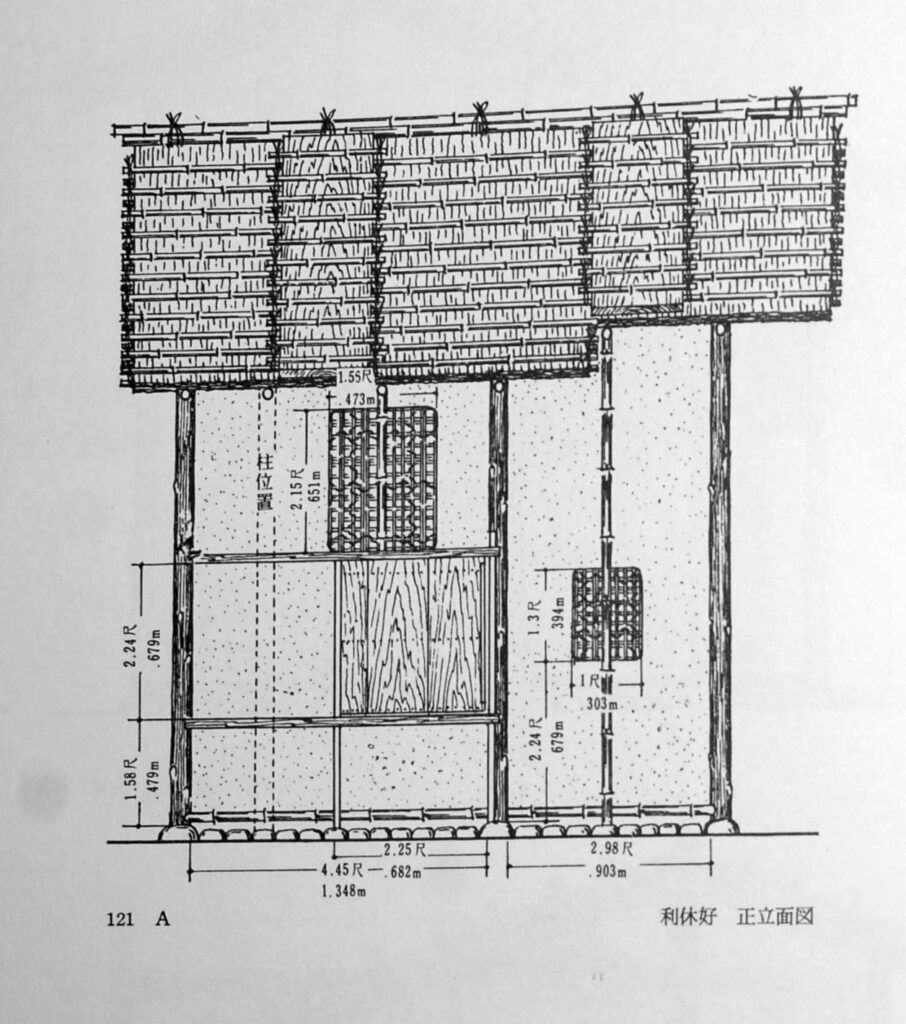
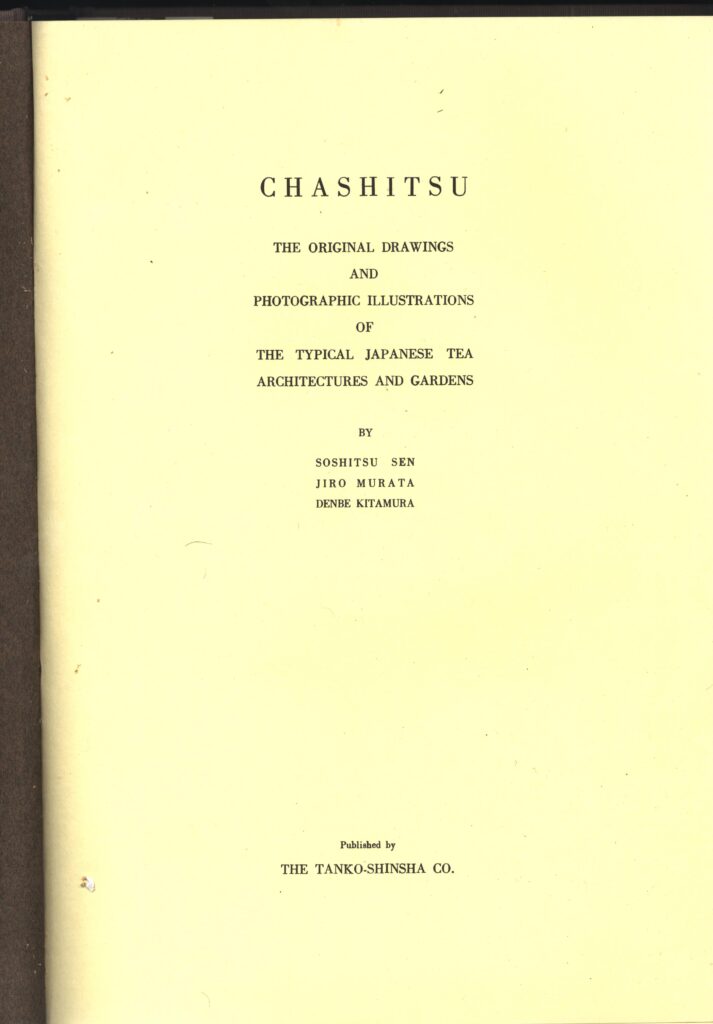
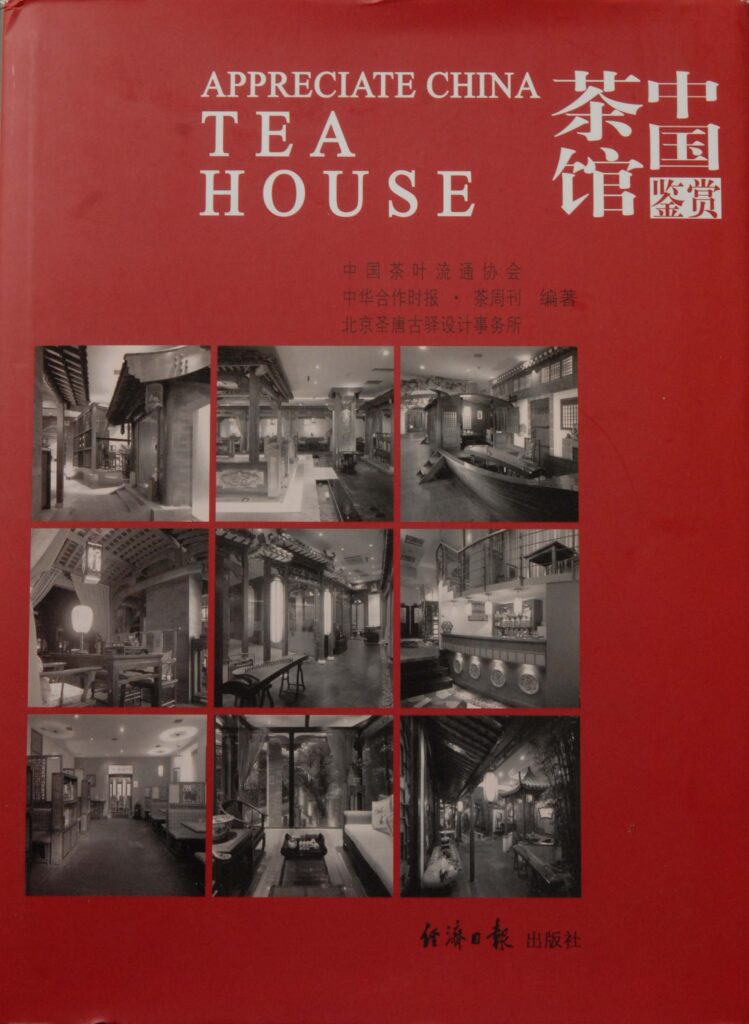
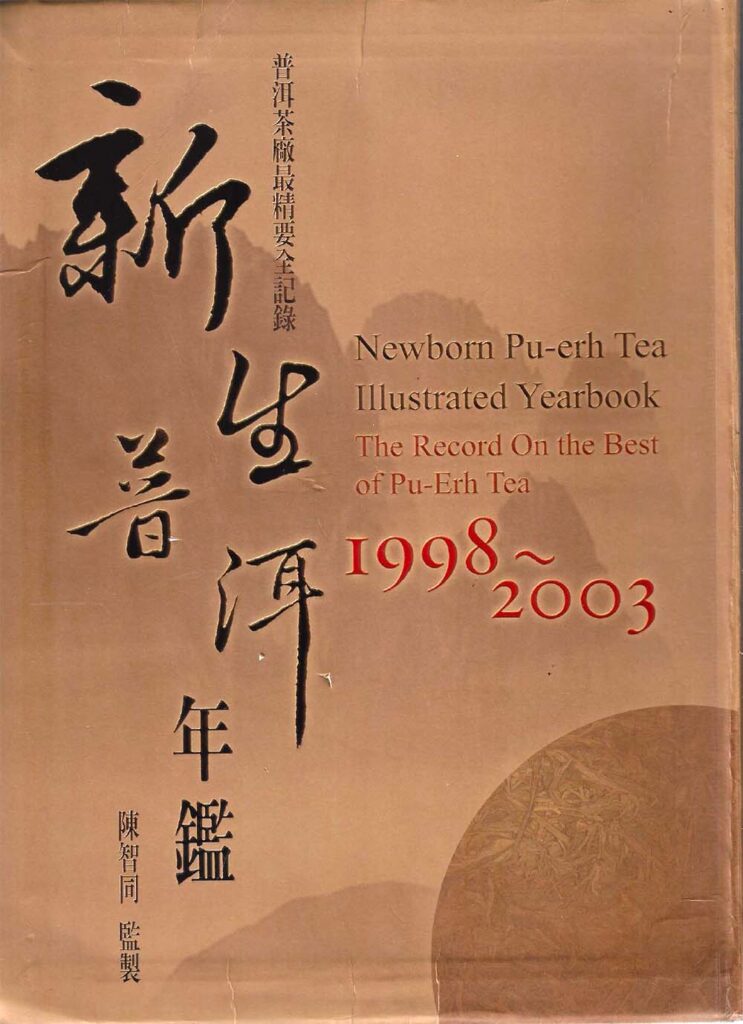
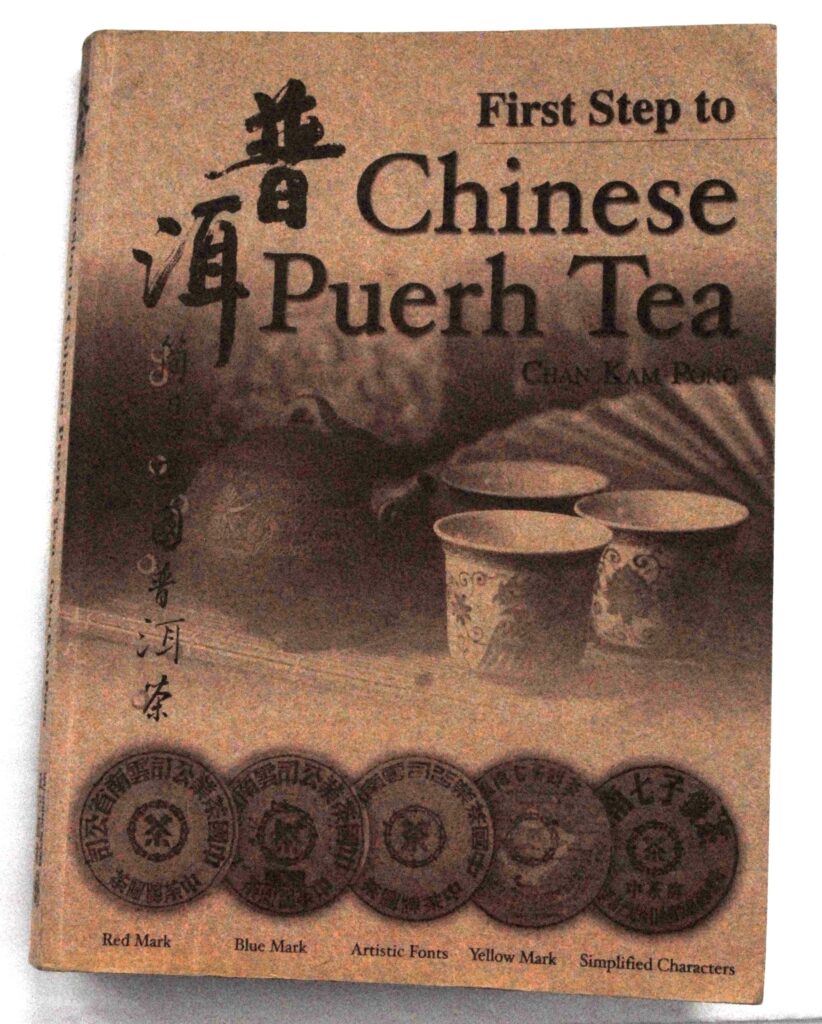
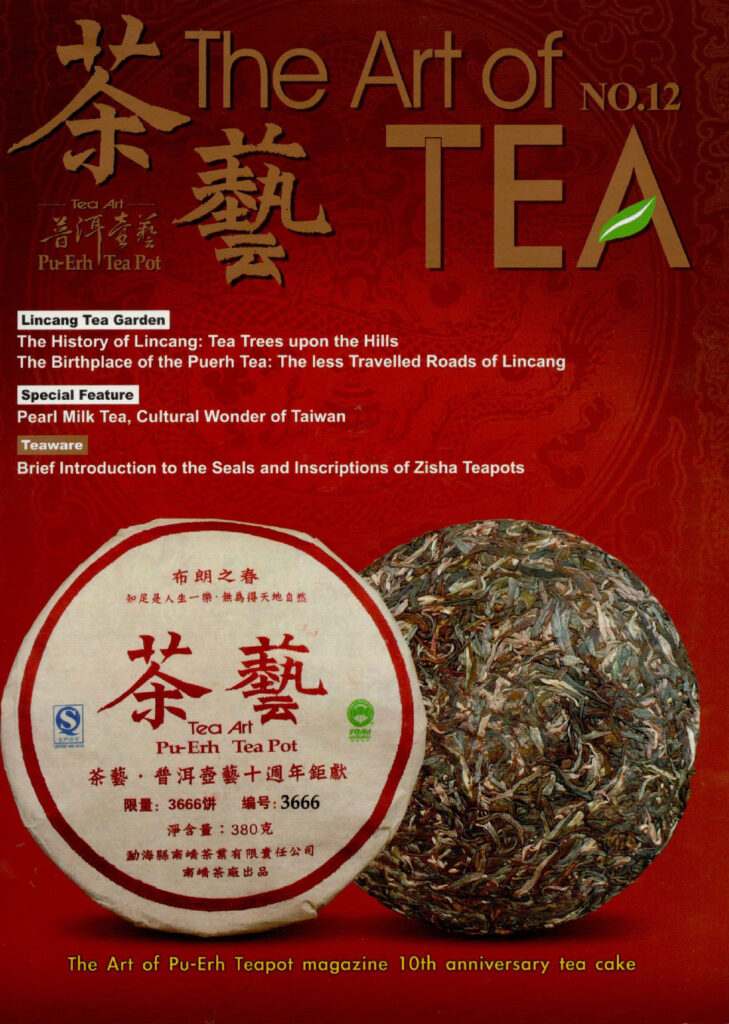
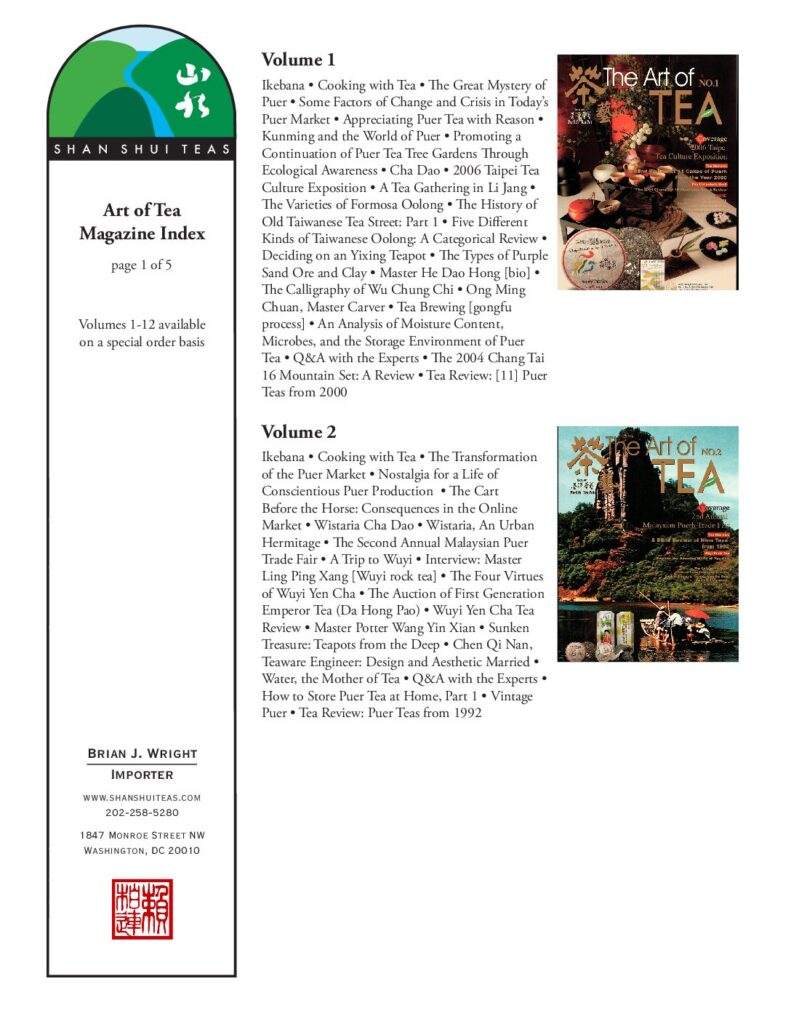
A képre kattintva a megjelenet 12 szám tartalomjegyzéke olvasható.
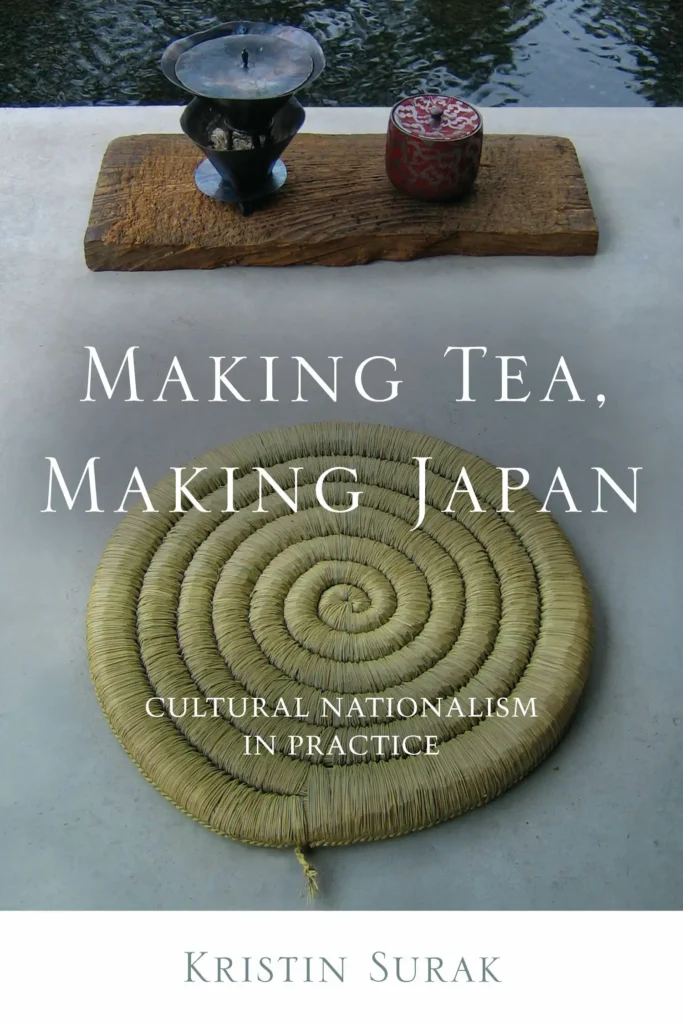
Making Tea, Making Japan
Cultural Nationalism in Practice
Kristin Surak
Stanford University Press
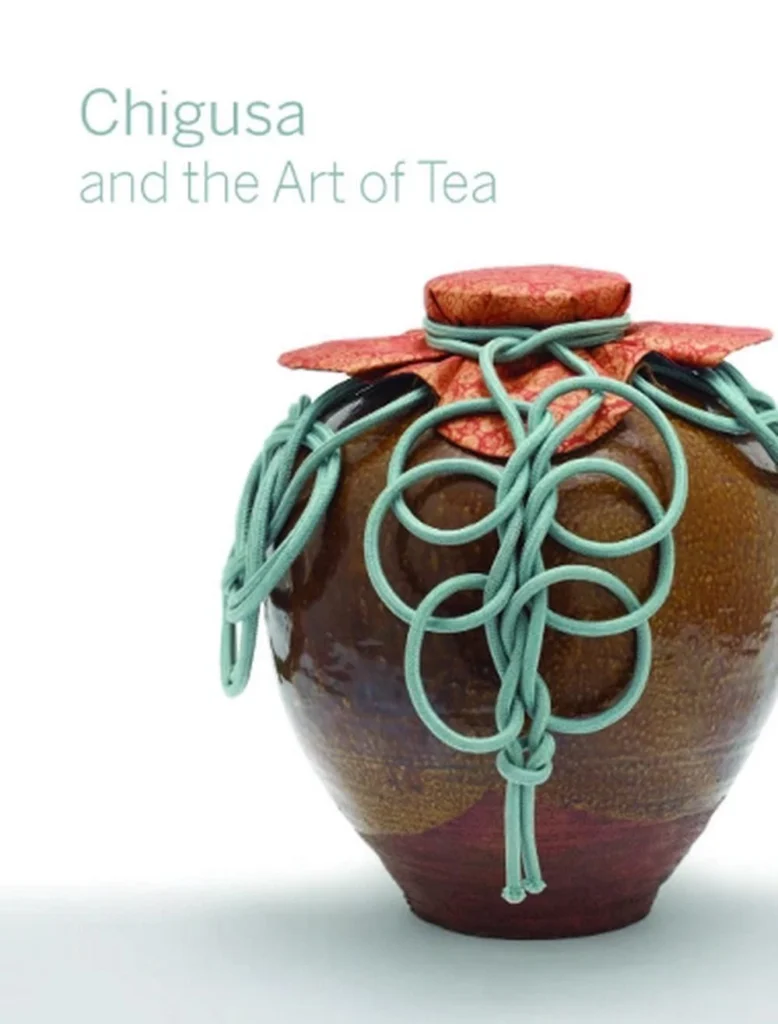
Chigusa and the Art of Tea
by Louise Allison Cort
The power of seeing: to discern, distinguish, define. The power of owning: to possess, to share, to transmit. The power of naming: to designate, to define, to give meaning. The power of displaying: to show, to ornament, to enrobe. The power of writing: to describe, to record, to remember.
Japanese collectors have long engaged with objects through the practice of formalized tea presentation called chanoyu. Within the compact and focused setting of the tearoom, they singled out exceptional works through use, scrutiny, and discussion. They gave added distinction to stellar tea-leaf storage jars—utensils of imposing scale and presence—by awarding them personal names and adorning them with precious textiles.
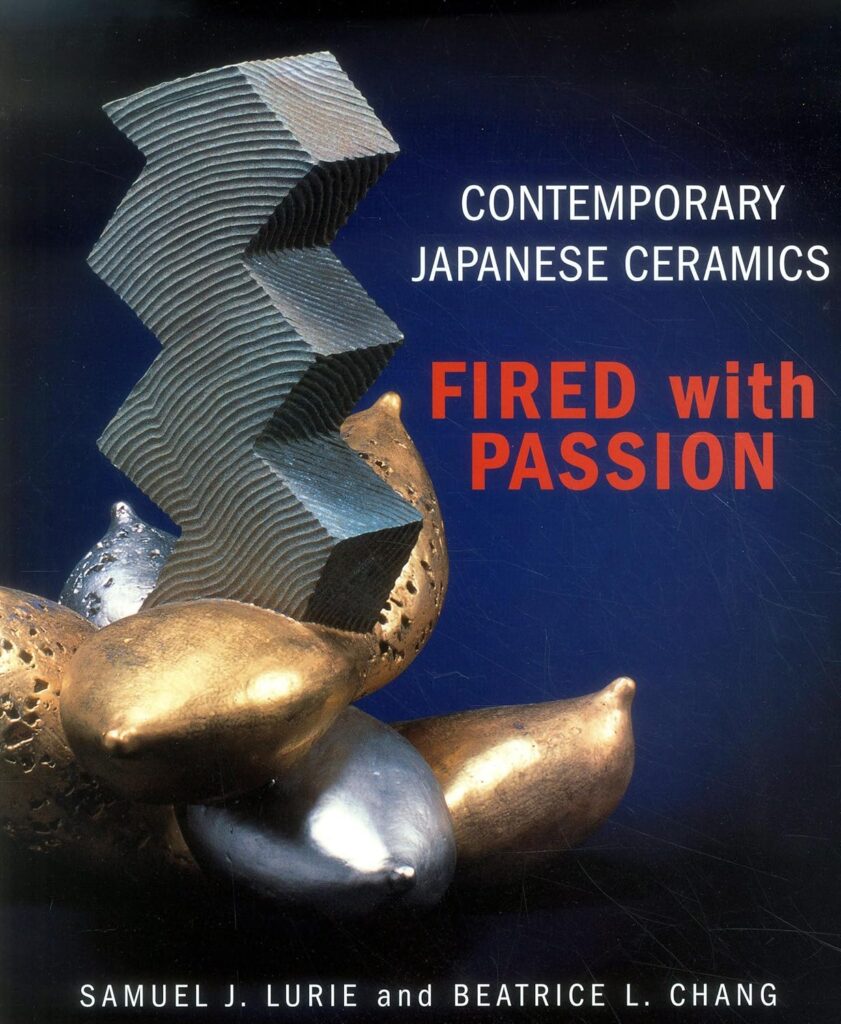
Contemporary Japanese Ceramics: Fired With Passion 2006
by Samuel J. Lurie, Beatrice L. Chang , Geoff Spear
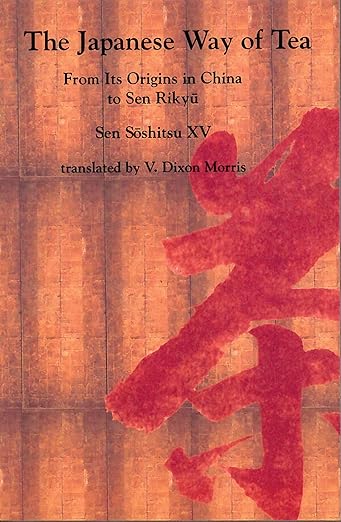
Végül egy elegánsan megírt, lebilincselő olvasmány a közelmúltban elhunyt Daishosotól:
The Japanese Way of Tea: From Its Origins in China to Sen Rikyu
Sen XV Soshitsu
Univ Hawai Pr. 1997. 249 oldal
Almost a millennium before the perfection of chado (the Way of Tea) by Sen Rikyu (1522-1591), the Chinese scholar-official Lu Yu (d. 785) wrote exhaustively about tea and its virtues. Grand Tea Master Sen Soshitsu begins his examination of tea’s origins and development from the eighth century through the Heian and medieval eras. This volume illustrates that modes of thinking and practices now associated with the Japanese Way of Tea can be traced to China–where from the classical period tea was imbued with a spiritual quality.